The Bag of Wool That Came Back Lighter: Notes From a Library Craft Swap
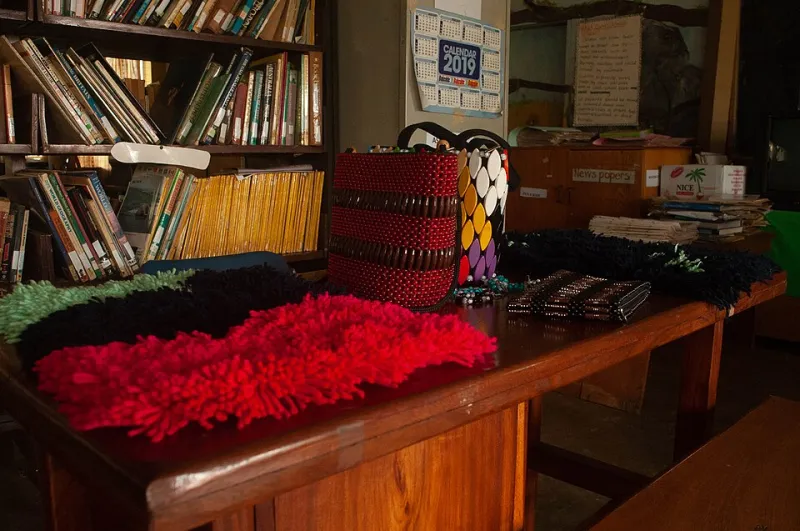
Photo: AKibombo, CC BY-SA 4.0, via Wikimedia Commons
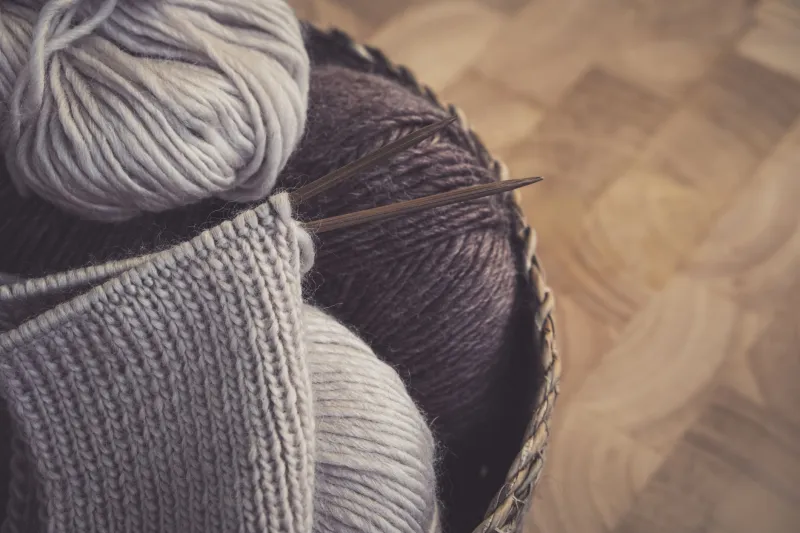
Saturday morning at the village library, and the noticeboard had promised a craft supply swap. I turned up with a bag that would not close properly: three balls of orphaned wool, a half-used embroidery kit, a packet of felt squares I had bought for a project I could no longer remember, and two pattern books that had been living under the spare bed since roughly the last time I owned a spare bed. I had assumed I would come home with more. That is what swaps are for, isn't it? You bring your unloved things, someone else brings theirs, and everyone leaves with a fresh pile of possibility.
Instead, I came home with less than I arrived with. Considerably less. And it was exactly what my stash needed.
The rules were loose, the tables were not
The setup was classic library: two long tables pushed together, a tea urn in the corner, a tin of biscuits that had clearly been donated by someone with strong opinions about Bourbons. A laminated sign said bring what you do not use, take what you will use, and pop a donation in the tub for library funds if you can. No committees. No clipboards. Just a room full of people circling each other politely, trying to work out whether it was acceptable to start picking things up yet.
For the first ten minutes, nobody touched anything. We stood around like guests at a wedding waiting for the buffet to open. Then someone's toddler made a break for a ball of pink acrylic, and the whole thing collapsed into happy chaos. Wool was lifted, squished, held up to the light. Someone asked if the part-used candle kit counted as craft. Someone else said it counted as a fire hazard. A woman near the window began sorting buttons by colour without being asked, which felt both helpful and slightly alarming.
I loved it. Not because it was orderly, but because it was not. It was a room of people admitting, in public, that they had bought things they had not used.
The quiet politics of passing things on
I had not expected there to be etiquette, but there is. There is the person who hovers near the good table without actually taking anything, because they do not want to seem greedy. There is the person who takes three things immediately and then spends the rest of the morning apologising. There is the delicate moment when you offer someone your unloved wool and they say, oh, are you sure, and you have to say yes with exactly the right amount of enthusiasm so they do not feel they are being handed a burden.
And there is the even more delicate moment when nobody wants your unloved wool at all. I watched my three balls sit there for a good half hour. A navy, a mustard, and a sort of grey-green that had looked promising in the shop. Nobody picked them up. I began to feel oddly protective of them, then oddly offended by them, then oddly sad. It is ridiculous to have feelings about yarn. But there they were, a small public record of my taste and my optimism, and nobody was biting.
Eventually a woman with a half-finished lap blanket came over and asked if the mustard was part of a dye lot. I said I did not know. She said she did not mind, and took all three. I felt a rush of something that was not quite generosity and not quite relief. It was closer to closure.
The projects we keep for people we are not
What I noticed, watching other people pick through the tables, is that most of us are not really hoarding supplies. We are hoarding versions of ourselves. The person who will finally learn to crochet. The person who will make a handmade Christmas. The person who will sit by a window in a linen apron, embroidering a tea towel while the radio plays something tasteful.
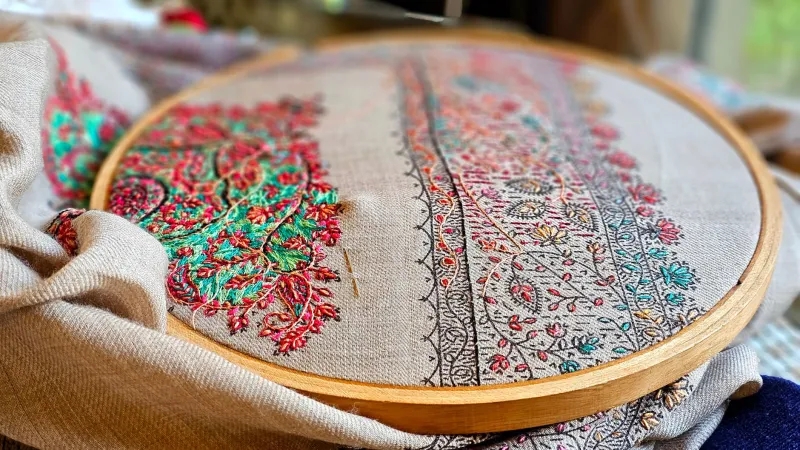
I am not that person. I am the person who buys embroidery kits and then remembers that I find tiny stitches fiddly and prefer something I can do while half watching television. But the kit was not just a kit. It was a promise. And letting go of it felt like admitting something I would rather not admit: that I had bought it for a fantasy version of my life, not the actual one.
A woman took my half-used kit and said her daughter would love it. Not in a polite, I will take this off your hands way. She actually looked pleased. That helped. It is much easier to let go of a someday project when you can see it becoming someone else's Tuesday evening.
The bag that came home lighter
I did not leave empty-handed. I came home with one skein of cotton, a packet of embroidery needles, and a library book about local wildflowers that had absolutely nothing to do with crafts. The cotton was something I will actually use. The needles were a practical top-up. The book was a bonus. The rest of my bag had gone to other people's homes, other people's projects, other people's hopeful shelves.
At the end, the librarian counted the donations tub and announced twelve pounds forty. Everyone clapped, slightly awkwardly, because British people will clap at anything if it means the tea urn can be switched off. There was talk of doing it again in the spring. I said I would bring more. I meant it.
What I learned about my own creative habits is not especially flattering. I buy for the maker I think I should be. I keep things because throwing them away feels wasteful, but keeping them is not the same as using them. A ball of wool does not owe me a finished jumper. A half-used kit is not a moral failing. And a craft swap is not a tidy solution to clutter. It is a small, messy, community-shaped nudge towards being honest about what you will actually make.
My stash is still there. It is just a bit lighter. And for the first time in ages, that feels like progress.