Brown Paper and Three Clues: How an £8 Bookshop Gamble Jolted Me Out of a Reading Slump
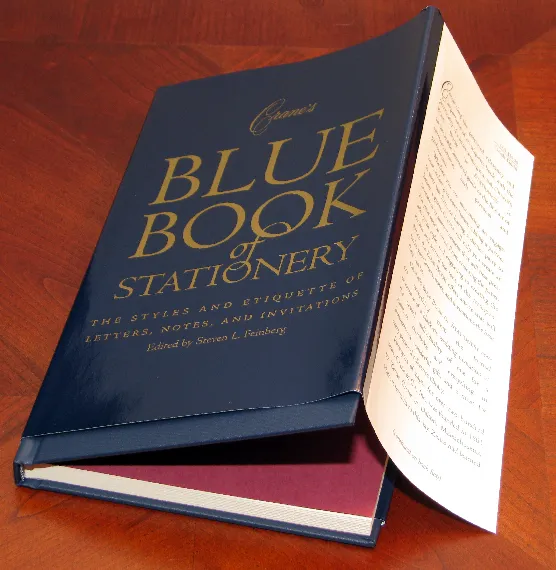
Photo: Jeff Muscato (talk), CC BY-SA 3.0, via Wikimedia Commons
For about fourteen months, my reading was in a state I've since started calling functional illiteracy. I could read a text message. I could read the back of a packet. What I could not do was read more than eleven pages of any book before my hand reached for my phone, as if out of habit, as if the paragraph had personally failed me.
I bought books the whole time, obviously. That was never the problem. There were twenty-six unread books on the shelf by the autumn and I was genuinely proud of roughly none of them.
What the slump actually felt like
People talk about not having time, and that's part of it, but it wasn't my real problem. My real problem was choice. I'd stand at the shelf and there would be twenty-six books, all of them things I'd once wanted to read, and every single one came with a small invoice of guilt attached. So I'd pick up nothing and scroll for forty minutes instead, which is the worst possible trade.
The other problem was taste. I'd been buying the books I thought a person like me should be reading. Slim translated fiction. A book about economic history that a colleague called 'surprisingly readable'. A prize winner I'd bought twice, having forgotten about the first time.
None of it was bad. All of it was homework.
The shop, the brown paper and the rules
My local bookshop does something dangerously simple. There's a shelf by the counter of books wrapped in brown paper, each with three words written on the front in pencil. No title, no author. Eight pounds. No returns, and — this is the important bit — no clues from the staff beyond what's already written.
The three words on mine were: sisters, water, unfinished.
I want to be clear that I stood there for a good four minutes and nearly bought a second one, because of course I did. Then I paid my eight pounds, walked out before I could start negotiating, and took off the paper on the number 12 bus like a person unwrapping a sandwich.
The book was a 2021 novel called A Small Weather by Iris Fenwick — a story about two sisters selling a dilapidated hotel on a crumbling bit of coast, told backwards, and with more rain in it than you'd think a novel could reasonably accommodate.
Twenty-six books on my shelf, and I was holding the only one I hadn't chosen.
Reading a book that isn't yours
I started it that night, which is more than I can say for most of the pile. And the early pages were strange, in the way that borrowed clothes are strange — a slightly wrong length, a slightly different weight. I kept noticing that I hadn't picked it. I kept waiting to be disappointed.
Instead, I became the sort of person who says 'just one more chapter' to an empty room again.
It took me nine days, which for me in 2026 is very fast. I read it in the bath. I read it in the car park outside a shop while my mum did the shopping. I read it on the sofa with the radio off, which is a thing I hadn't done since about 2023.
The odd part is how little I'd have chosen it myself. Backwards narration. Weather as a recurring motif. A slow, sad ending that doesn't explain itself. On paper, in the shop, with the actual blurb in front of me, I'd have put it down. I'd have turned to the shelf, with its twenty-six invoices, and chosen nothing.
What it taught me about my to-read list
Three things, and they're all slightly uncomfortable.
First: choice is a tax. Having twenty-six options was making me read less, not more. One wrapped book, no blurb, no comparison, no research — that's the easiest reading decision I'd made in over a year.
Second: a stranger's taste is a real gift. Whoever wrapped my book is not doing anything clever. They're just a bookseller with an opinion. But their opinion came without a recommendation, a review, a score out of five, or a reason I could argue with. I had to trust the shop to be a shop, and it was.
Third: finish something you didn't choose. I've finished two more books since — one borrowed, one picked from the shelf purely on the cover — and both were easier because the blind date had broken the seal. Finishing begets finishing, in the same way that a craft project half-done on the table becomes a full stop in your head.
If you fancy trying it
Look for a bookshop that does blind dates, or do the honest thing and wrap three of your own with words on the front. Hide them from yourself for six weeks. Then pick one at random, and give it the first fifty pages before you're allowed to say a word about it. Give the wrapping job a bit of thought: three specific words are far better than a genre label. Sisters, water, unfinished will beat literary fiction, slow every time.
And if your local shop doesn't do it — most don't, and it's worth asking anyway, because booksellers are generally delighted to be asked about anything.
I'm not going to pretend one £8 book fixed me. But it got a foot in the door, and it took the sock off my shelf. A Small Weather is now fourth in a pile of things I actually intend to read, and that pile isn't an invoice any more.
It's just a stack of brown paper, waiting to be argued with.